LYNITE 17744.020 Single Piston Pin Ci 734.020 6-CYLINDER 198 201
fits make: Plymouth. year: 1933–1941.
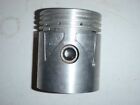
( Brand: Lynite ), ( Manufacturer Part Number: 17744.020 ), ( Country/region Of Manufacture: United States ), ( Type: Piston )
Review LYNITE 6-cylinder Single Piston Pin 020 Size Plymouth 198 Ci 201 Usa fits 1933–1941
This is a high-quality 6-cylinder piston pin, specifically designed for the 198 cubic inch (ci) engines used in certain Plymouth models between the years 1933 and 1941. The piston pin in question is a single piece, which means it's a simple, straightforward design that is easy to install and maintain.
The piston pin is marked as a Lynite 734.020, and it also bears the part number 17744.020. The 020 in the part number refers to its specific diameter, which is 0.20 inches. This size is common for piston pins of this era and engine size.
The piston pin is made from a durable material, likely steel, to withstand the high pressures and temperatures that occur in an internal combustion engine. It's important to note that while this piston pin is a high-quality replacement part, it should be installed with care to ensure proper alignment and seating, as misalignment or improper seating can lead to engine damage.
In summary, this 6-cylinder, single piston pin is a reliable and essential replacement part for certain vintage Plymouth engines, offering durability and reliability for continued engine performance.
Pros of buying a 1933-1941 Plymouth 6-cylinder engine with a single piston pin, 020 Lynite, and 198 ci (cubic inches):1. Historical Significance: This engine is a piece of automotive history. It was in production during the early 20th century, and owning such a vintage engine can be a fulfilling experience for classic car enthusiasts.
2. Simple Design: The single piston pin design is relatively simple and may be easier to maintain compared to modern engines with more complex piston pin assemblies.
3. Availability of Parts: Although it may be more challenging to find parts compared to newer engines, there is still a market for classic car parts, and there are resources available to help you find the components you need.
Cons of buying a 1933-1941 Plymouth 6-cylinder engine with a single piston pin, 020 Lynite, and 198 ci:1. Limited Power: Compared to modern engines, this engine will have significantly less power. This may not be a concern for classic car enthusiasts who prefer the look and feel of a vintage engine, but it is something to consider if you plan to use the car for daily driving or high-performance activities.
2. Lower Fuel Efficiency: Older engines are generally less fuel-efficient than modern engines. This may be a concern if you plan to use the car frequently or if you are concerned about environmental impact.
3. Higher Maintenance Costs: Older engines may require more frequent maintenance and repairs due to their age and simpler design. This can add up over time and may be a deterrent for some buyers.
Conclusion:If you are a classic car enthusiast and enjoy the look, feel, and sound of vintage engines, a 1933-1941 Plymouth 6-cylinder engine with a single piston pin, 020 Lynite, and 198 ci may be a great addition to your collection. However, if you prioritize power, fuel efficiency, or low maintenance costs, you may want to consider a more modern engine. Ultimately, the decision to buy this engine depends on your personal preferences and priorities.
Details:
The standard bore on these engines was inches, and this piston is for motors that have been bored out. Up for sale is a single piston with wrist pin in oversize this cast aluminum. 020 larger.
specifications pistonrinro:
- for makes: Plymouth
- for years: 1933-1941
- brand: Lynite
- mpn: 17744.020
- country/region of manufacture: United States
- type: Piston
Returns pistonrinro:
- policy: returns accepted
- details: Restocking fee: No
- type: Money Back
- time: 30 Days
- paid by: Buyer
Offer pistonrinro:
- Started: November 21, 2017, 6:11 pm
- Sold: 0
- best offer: true
- quantity: 3
- bids: 0
Payments pistonrinro:
- PayPal
Seller pistonrinro:
- city: Hawthorne, New Jersey
- zipcode: 07506
General pistonrinro:
- in stock: Yes
- condition: New
- motors > partsaccessories > vintage cartruck parts > enginescomponents > pistons rings rodsparts engines components
Shipping pistonrinro:
- type: Calculated
- handling: 1 days
Ratings:
- Good! 11-17-17
- Item as described. Pleased with item. Thanks 11-17-17
- E 11-16-17
- Excellent 11-16-17
- Received as described, thanks. 11-18-17
Lynite 17744.020 Is Similar To:
- 01t-6110-j Lynite Ford Hp Flathead Piston Set Nors (47.6% similar) 040NORSFITS hp Flathead V8WILL also work in but not brand ford 221 v8 piston set 01T-6110-J Norse SET01T-6110-J...(August 7th, 2018)