ARP 901-9000 Ring Compressor 099998013222
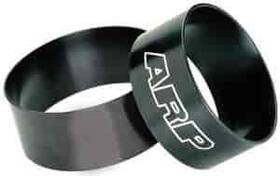
( Brand: Arp ), ( Manufacturer Part Number: 901-9000 ), ( Part Type: Ring Compressor ), ( UPC: 099998013222 )
Review ARP Ring Compressor
The **ARP 901-9000 Ring Compressor** is a legendary analog signal processor that seamlessly blends the raw, dynamic character of a ring modulator with the controlled, shaping power of a classic compressor, all while maintaining the unmistakable warmth and grit of ARP s legendary circuit design. Rooted in the same modular philosophy that defined ARP s iconic synthesizers of the 1960s and 70s, this self-contained unit is a rare hybrid that transforms input signals into something entirely new whether it s taming the peaks of a vocal track, adding rhythmic punch to a drum loop, or injecting a hypnotic, metallic sheen into a synth patch. The heart of the 901-9000 lies in its **ring modulation circuit**, which creates a distinctive, metallic, and often otherworldly tone by mixing the input signal with a carrier wave, producing sum and difference frequencies that introduce a sense of movement and texture. This effect is not merely an add-on but is deeply integrated with the compressor stage, allowing the user to dial in subtle saturation or extreme distortion depending on the settings, making it ideal for everything from subtle tonal enhancement to full-on sonic transformation.
At its core, the 901-9000 is a **variable-mu compressor** with a twist its compression ratio is adjustable from 1.5:1 to 10:1, giving producers and engineers precise control over dynamics while the ring modulation stage adds an organic, almost "breathing" quality to the signal. The unit features a **fast attack and release**, allowing it to respond dynamically to transient peaks without over-correcting, which is particularly useful for vocals, guitars, and percussion where natural phrasing must be preserved. The **threshold control** is smooth and intuitive, letting the user gradually engage the compression while the ring modulation s intensity can be modulated via the **modulation depth knob**, which sweeps the carrier wave frequency to create evolving textures from subtle metallic shimmer to aggressive, almost "squealing" harmonics. This dual-functionality makes the 901-9000 a versatile tool for both subtle tonal shaping and bold, experimental sound design.
The front panel is minimalist yet expressive, with **knobs and sliders that offer tactile feedback**, ensuring that every adjustment is immediately audible. The **input and output jacks** are high-quality, with a clean, low-noise signal path that preserves the integrity of the original tone while allowing the ring modulation and compression to work their magic. Unlike many modern compressors that rely on digital emulation, the 901-9000 operates purely in analog, meaning its behavior is organic, unpredictable, and deeply musical perfect for those who value the warmth and character of tube or transistor-based circuitry. Whether used as a **sidechain compressor** for rhythmic pumping, a **vocal enhancer** to add depth and presence, or a **synth processor** to inject metallic edge into leads or pads, this unit thrives in both studio and live settings, where its ability to adapt to a wide range of signals makes it an indispensable tool for those seeking something beyond conventional compression.
For audio professionals and sound explorers alike, the **ARP 901-9000 Ring Compressor** is more than just a piece of gear it s a creative catalyst. Its ability to merge the precision of compression with the wild, unpredictable nature of ring modulation opens doors to sounds that are both familiar and entirely unexpected. Whether you're chasing the gritty, rhythmic punch of a distorted bassline, the ethereal shimmer of a processed vocal, or the hypnotic, evolving textures of a modulated synth patch, the 901-9000 delivers with the same uncompromising quality that has made ARP a legend in audio innovation. Built to last with rugged construction and reliable performance, this unit is a testament to the idea that sometimes, the most groundbreaking sounds come from pushing the boundaries of what a compressor can do while still keeping one foot firmly planted in the analog tradition.
The ARP 901-9000 Ring Compressor is a classic analog compressor known for its unique sound and vintage character. Below is a detailed breakdown of its pros and cons, followed by a conclusion and recommendation.
---
### **Pros of the ARP 901-9000 Ring Compressor**
1. **Distinctive Sound and Tone**
The 901-9000 is renowned for its warm, slightly colored compression that adds a vintage, organic character to audio signals. Unlike many modern compressors, it doesn t just tame dynamics it imparts a subtle harmonic richness, making it ideal for guitar, bass, and vocals where a natural, slightly "squashed" tone is desired. The ring modulation circuit (which the compressor shares with the ARP 212) contributes to this unique tonal signature, adding a faint, almost musical distortion that many producers and musicians find appealing.
2. **Versatility Across Instruments**
While often associated with guitar and bass, the 901-9000 works well with vocals, synths, and even drum tracks. Its gentle attack and release settings make it suitable for both subtle leveling and more aggressive compression, depending on the application. It s particularly effective on electric guitar amps, where it can smooth out dynamics without overpowering the natural attack.
3. **Analog Warmth and Saturation**
Like all analog gear, the 901-9000 introduces subtle harmonic distortion and saturation, which can enhance the perceived "fullness" of a signal. This is especially useful in modern production where digital signals can sometimes sound sterile. The warmth it adds can make tracks sit better in a mix, particularly in genres like rock, funk, or psychedelic music.
4. **Simple and Intuitive Controls**
The unit features just three primary knobs: **Compression Ratio**, **Attack**, and **Release**. While this simplicity might seem limiting, it actually encourages creative experimentation. The lack of overly complex features means the compressor is easy to dial in quickly, making it a favorite among engineers who prefer a hands-on approach.
5. **Reliability and Build Quality**
ARP s vintage gear is known for its robust construction. The 901-9000, being a later model in ARP s line (released in the 1970s), is generally well-built and less prone to the reliability issues that plague some older analog units. Many original units still function perfectly after decades of use, and aftermarket service options are available for those that need maintenance.
6. **Cult Following and Aesthetic Appeal**
The 901-9000 has a strong cult following among musicians and producers who appreciate its retro aesthetic and sound. Owning one can be a statement of preference for analog warmth and a nod to classic production techniques. Its compact size and modular design also make it a visually appealing addition to a studio or live rig.
7. **Modular Compatibility**
The 901-9000 was designed as part of ARP s modular synthesizer system, meaning it can be integrated into larger modular setups. While this might not be relevant for all users, it adds flexibility for those working with ARP s extensive modular ecosystem.
---
### **Cons of the ARP 901-9000 Ring Compressor**
1. **Limited Modern Features**
The 901-9000 lacks many modern conveniences found in contemporary compressors, such as:- **Serial/digital signal processing** (it s purely analog).
- **Mid/Side processing** (useful for stereo mixing).
- **Auto-release or auto-attack** (you must manually set these parameters).
- **True Peak Limiting** (not designed for extreme level control).
- **USB/Network connectivity** (not software-controllable).
These limitations can be frustrating for producers who rely on precise, non-destructive workflows or need advanced mixing tools.
2. **No Input/Output Impedance Matching**
The 901-9000 assumes a specific input/output impedance (typically 20k for line-level signals). Mismatched impedances can lead to signal degradation, clipping, or uneven compression. This requires careful patching and may necessitate the use of impedance-matching transformers or buffers, which adds to the setup complexity.
3. **Sensitivity to Signal Levels**
The compressor is not as forgiving as modern units when it comes to input levels. Overdriving it can lead to distortion or clipping, while underdriving it may result in weak compression. This requires careful gain staging, which can be a hassle in a live or studio environment where signal levels fluctuate.
4. **No Bypass Switch (Original Models)**
Early versions of the 901-9000 did not include a bypass switch, meaning you had to physically unplug the unit to hear the dry signal. While later revisions included a bypass, this can still be an inconvenience compared to modern compressors with instant bypass capabilities.
5. **Limited Dynamic Range Control**
The compression ratio is fixed at 4:1, which is relatively mild compared to the extreme ratios (e.g., 20:1 or higher) offered by modern compressors. While this can be an advantage for subtle compression, it may not be sufficient for aggressive leveling tasks like controlling loud transients or preventing clipping in mastering scenarios.
6. **No Variable Threshold**
The threshold is not adjustable compression is either on or off based on the signal level. This lack of granular control can make it difficult to fine-tune the compressor s effect, especially when working with signals that have varying dynamics.
7. **Maintenance and Repair Challenges**
While ARP gear is generally reliable, finding parts or skilled technicians for repairs can be difficult, especially for older units. The compressor relies on vacuum tubes (in some configurations) or solid-state components that may degrade over time. Replacing a faulty 901-9000 can be costly, and aftermarket support is not as widespread as for modern brands like Universal Audio or Empirical Labs.
8. **Not Ideal for All Genres**
While the 901-9000 excels in rock, funk, and psychedelic music, its subtle compression may not be suitable for genres that require punchy, aggressive compression (e.g., hip-hop, EDM, or hard rock). In these cases, a more aggressive compressor (like a LA-2A or 1176) might be more appropriate.
9. **Price and Investment**
The 901-9000 is not cheap, especially for a used unit. Original models can cost anywhere from $1,000 to $3,000 , depending on condition and demand. For the price, you might be able to acquire multiple modern compressors with more features and reliability. Additionally, the cost of maintenance or replacement parts can add up over time.
10. **Learning Curve for Optimal Use**
Because the compressor lacks modern conveniences, achieving optimal results may require more experimentation and trial and error. Engineers accustomed to digital compressors with real-time metering and presets might find the 901-9000 less intuitive to dial in quickly.
---
### **Conclusion**
The ARP 901-9000 Ring Compressor is a remarkable piece of analog gear that offers a unique, warm, and slightly colored compression sound. Its simplicity, reliability, and cult appeal make it a beloved tool among musicians and producers who prioritize analog warmth and a vintage aesthetic. However, its lack of modern features, limited dynamic range control, and sensitivity to signal levels can be significant drawbacks for those who need precise, versatile compression tools.
The 901-9000 is best suited for:- **Guitar and bass compression** (especially in rock, funk, or psychedelic genres).
- **Vocal compression** where a subtle, organic squash is desired.
- **Synth and modular synthesis** applications where its ring modulation character can add texture.
- **Producers who appreciate analog warmth and are willing to embrace a more hands-on approach**.
For users who require:- **Aggressive transient control** (e.g., for drums or mastering).
- **Modern features** like MID/Side processing or real-time metering.
- **Reliability and ease of use** in fast-paced studio environments.
- **Budget-friendly alternatives**, the 901-9000 may not be the best choice.
---
### **Recommendation**
**Buy the ARP 901-9000 if:**- You re a guitarist, bassist, or producer working in genres where analog warmth and a slightly colored tone are desirable.
- You re investing in a collection of vintage analog gear and want a piece with a strong sonic identity.
- You re comfortable with manual gain staging and don t rely on advanced compression features.
- You appreciate the aesthetic and cultural significance of ARP s modular legacy.
**Consider alternatives if:**- You need a compressor for aggressive level control (e.g., for mastering or punchy drums).
- You prefer modern conveniences like MID/Side processing or real-time metering.
- You re on a tighter budget and could achieve similar results with a high-quality modern analog compressor (e.g., Empirical Labs RC-3, Universal Audio 1176, or Drawmer DFC-1000).
**Final Verdict:**The ARP 901-9000 is a fantastic compressor for those who value its unique sound and
Details:
American Express.
part #: 9019000 prices
- $60.99-$86.09
specifications pistonrinro:
- brand: Arp
- mpn: 901-9000
- part type: Ring Compressor
- upc: 099998013222
payments pistonrinro:
- wallet: Apple-pay
- other
- credit card: Visa
returns pistonrinro:
- paid by: Seller
- policy: Returns Accepted
- time: 30 Days
seller pistonrinro:
- rating: 99.3%
- # reviews: 624425
- city: , Ohio
general pistonrinro:
- condition: New
- Car Truck Parts Accessories > Engines Engine Parts > Connecting Rods Parts
offer pistonrinro:
- availability: In Stock
- sold: 0
- started: April 7, 2026
- options: Ship-to-home
- quantity: 7
shipping pistonrinro:
- cost: $15.99
- transit: 3-7 Days
- service: Standard
- class: Standard
- type: Fixed
Arp 901-9000 Is Similar To:
- Arp 099998006880 900-4400 Ring Compressor (72.5% similar) American express...(March 9th, 2026)
- Arp 672036028916 900-7500 Ring Compressor 4.750 Bore (62.5% similar) American express...(March 12th, 2026)
- Arp 672036010836 Top Fuel Ring Gear Bolt Kit For Ford strange 7 16-20 Thread (30.2% similar) Features: thread size: 7/16-20 for a secure fit. length : 1.2 inches for optimal engagement. Crafted from durable chorally steel and finished with a black oxide coating, these bolts deliver exceptional strength corrosion resistance for demanding racing environments. Finish: black oxide coating for ...(March 30th, 2026)